

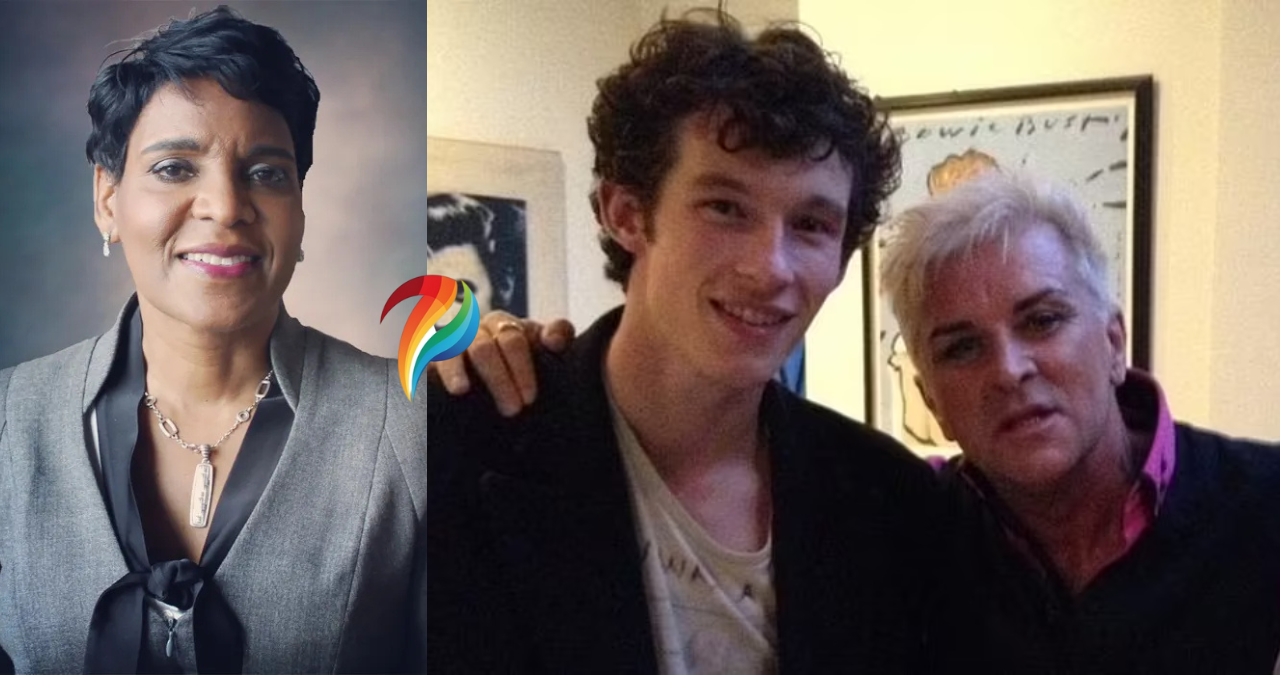
Rosemary Turner is widely recognized as a London-based psychotherapist, clinical supervisor, and former figure in the city’s vibrant cultural and nightlife scene. She is also known publicly as the mother of British actor Callum Turner. Her life story reflects a unique blend of creativity, resilience, and transformation, moving from the energetic world of London clubs in the 1980s and 1990s to a meaningful career in mental health and emotional wellbeing support.
What makes Rosemary Turner’s journey compelling is not only her professional evolution but also her influence across multiple spaces—culture, therapy, and women’s empowerment. She has been associated with integrative psychotherapy, where she supports individuals through emotional struggles, trauma, and personal development. Her work is rooted in empathy, reflection, and human connection, making her a respected figure in counselling communities in London.
At the same time, her past involvement in London’s creative nightlife scene adds depth to her identity. She has been described as someone who helped shape artistic communities and social spaces that brought together musicians, designers, and performers. This combination of cultural influence and therapeutic dedication makes her story multidimensional and deeply human.
Today, Rosemary Turner stands as an example of personal reinvention—someone who transitioned from high-energy cultural environments to a calm, reflective professional life dedicated to helping others heal and grow.
Early Life and Cultural Background of Rosemary Turner
Rosemary Turner’s early life is closely linked with London’s evolving cultural landscape, particularly during a period when the city was undergoing major social and artistic transformation. Growing up in environments shaped by diversity and creative expression, she developed an early appreciation for people, stories, and emotional depth. This foundation later influenced both her social and professional identity.
During the 1980s and 1990s, she became actively involved in London’s nightlife scene, working in roles connected to club promotion and event organization. These spaces were not just entertainment hubs—they were cultural movements where music, fashion, identity, and creativity intersected. Rosemary Turner played a part in building communities within iconic venues and creative networks that shaped underground London culture.
Her presence in these environments helped her build strong interpersonal skills and a deep understanding of human behavior. She was exposed to diverse individuals from artistic, fashion, and music backgrounds, which contributed to her empathetic and people-centered worldview. These experiences later became foundational to her transition into psychotherapy.
As London evolved culturally, so did Rosemary Turner. She moved away from nightlife environments and began focusing more on introspection and healing. This shift marked the beginning of a new chapter—one centered on emotional wellbeing, personal growth, and professional counselling. Her early life, therefore, was not just a background story but a crucial stage that shaped her future identity as a therapist.
Career in Psychotherapy and Professional Development
Rosemary Turner is a trained psychotherapist and counsellor based in London, working within integrative therapeutic approaches. Her professional practice focuses on supporting individuals dealing with emotional distress, trauma, relationship challenges, and personal development concerns. She is associated with clinical supervision and ongoing mental health support services.
Her approach to therapy is integrative, meaning she draws from multiple psychological frameworks to tailor support for each client. This flexible method allows her to adapt techniques based on individual emotional needs, combining elements of person-centered therapy and psychodynamic understanding. The goal of her work is to help clients develop self-awareness, emotional resilience, and healthier coping mechanisms.
Rosemary Turner’s professional journey reflects a natural evolution from her earlier life experiences. Her time in creative and high-energy environments gave her firsthand insight into emotional complexity, human connection, and social behavior. These insights now inform her therapeutic practice, allowing her to approach clients with deep empathy and understanding.
In addition to individual therapy, she is also involved in clinical supervision, guiding other practitioners in their professional development. This role highlights her experience and standing within the psychotherapy field. Through her work, she contributes not only to individual healing but also to the broader mental health community in London.
Family Life, Public Recognition, and Media Attention
One of the most widely known aspects of Rosemary Turner’s identity is her role as the mother of actor Callum Turner. Her son is an internationally recognized British actor known for roles in major film and television productions. Their relationship has brought increased public attention to her life and career.
Despite this visibility, Rosemary Turner has maintained a balanced personal and professional identity. She is respected not only as a mother of a public figure but also as a professional in her own right. Her influence on her son’s upbringing has often been highlighted, particularly in how she encouraged creativity, emotional awareness, and resilience.
Media attention has also focused on her past involvement in London’s cultural scene, as well as her later transition into psychotherapy. This dual narrative—creative past and therapeutic present—has made her story particularly engaging to the public. She is often portrayed as someone who embodies transformation and emotional intelligence.
At the same time, Rosemary Turner maintains a relatively private personal life. While aspects of her background are publicly discussed, she avoids excessive exposure and focuses primarily on her therapeutic work. This balance between public recognition and private professionalism adds depth to her public image.
Women’s Empowerment and Cultural Influence
Beyond her psychotherapy practice, Rosemary Turner has also been associated with themes of women’s empowerment and community support. Her journey reflects the strength of reinvention and the ability to build meaningful impact across different stages of life.
Her involvement in London’s cultural environment during earlier decades placed her in spaces where women played important roles in shaping artistic and social movements. These experiences contributed to her understanding of identity, independence, and empowerment—ideas that continue to influence her therapeutic philosophy today.
In her counselling work, she supports individuals—particularly women—through emotional challenges, identity struggles, and life transitions. Her approach encourages self-reflection, confidence-building, and emotional healing. This aligns with broader conversations around mental health awareness and gender empowerment in modern society.
Rosemary Turner’s life story itself serves as a powerful example of transformation. Moving from nightlife culture to psychotherapy demonstrates adaptability, strength, and purpose. Her influence extends beyond individual therapy sessions, as her journey inspires conversations about growth, resilience, and the many paths a life can take.
Conclusion
Rosemary Turner represents a unique blend of culture, psychology, and personal evolution. Her life story moves through distinct phases—from London’s creative nightlife scene to a respected career in psychotherapy and counselling. Each stage of her journey contributes to a broader narrative of transformation and emotional depth.
As a psychotherapist, she continues to support individuals in navigating life’s emotional challenges, using integrative approaches that reflect empathy and understanding. As a cultural figure, she remains connected to a vibrant history of London’s artistic evolution. And as a mother, she has played an influential role in shaping the life of a well-known actor.
Ultimately, Rosemary Turner’s story is about change, resilience, and the power of human connection. It demonstrates how life experiences—both chaotic and calm—can come together to form a meaningful and impactful legacy.
FAQs
1. Who is Rosemary Turner psychotherapist in London?
Rosemary Turner is a London-based psychotherapist and counsellor known for her integrative approach to mental health therapy and emotional wellbeing support.
2. What is Rosemary Turner known for in UK mental health therapy?
She is known for her work in psychotherapy, clinical supervision, and supporting individuals dealing with emotional and psychological challenges.
3. Is Rosemary Turner related to actor Callum Turner?
Yes, Rosemary Turner is publicly known as the mother of British actor Callum Turner.
4. What was Rosemary Turner’s career before psychotherapy?
Before becoming a psychotherapist, she was involved in London’s creative nightlife and cultural scene during the 1980s and 1990s.
5. What is Rosemary Turner’s role in women’s empowerment and counselling?
She supports emotional healing and empowerment, particularly through therapy focused on self-awareness, resilience, and personal growth.